
Online Currency Exchange and International Transfers Without SWIFT in 2026
Over the past few years, the global landscape of international money transfers and currency exchange has changed significantly. Traditionally, most cross-border payments were processed through banks using the SWIFT network. However, in recent years many users have started looking for alternative ways to send money abroad and exchange currencies.
In 2026 the market for cross-border payments continues to evolve rapidly. Banking restrictions, geopolitical changes, and the rapid development of fintech technologies have contributed to the growing popularity of online currency exchange platforms and alternative payment services.
In this article we explore how international transfers work today, what options are available for sending money abroad, and how to choose a reliable currency exchange service.
Why International Money Transfers Have Become More Complicated
For decades, the SWIFT network served as the backbone of international banking transactions. It allowed banks across different countries to communicate and process payments securely and efficiently.
However, after financial sanctions were introduced in recent years, a number of Russian banks were disconnected from SWIFT. As a result, traditional international bank transfers from Russia became more complicated and sometimes unavailable.
This created several challenges for users:
- fewer banks capable of processing international payments;
- increased fees due to intermediary banks;
- longer processing times;
- limitations on certain currencies and destinations.
Because of these factors, many individuals and businesses started searching for ways to conduct international transfers without SWIFT.
Modern Ways to Send Money Abroad
Despite these challenges, there are still several ways to send money internationally and exchange currencies.
Bank Transfers Through Available Financial Institutions
Some banks continue to process international payments through foreign subsidiaries or partner financial institutions.
This option is commonly used for larger transactions such as:
- property purchases abroad;
- international tuition payments;
- business transactions and contracts.
However, for everyday users this method can be inconvenient due to high fees and long processing times.
Fintech Platforms for Global Payments
In recent years fintech companies have introduced new solutions for cross-border money transfers.
These platforms typically offer:
- multi-currency accounts;
- automatic currency conversion;
- mobile apps for managing international payments;
- faster transfers compared to traditional banks.
The main advantage of fintech platforms is speed. Some transactions can be completed within minutes.
However, certain platforms limit their services in specific regions, which sometimes makes it necessary to use alternative payment channels.
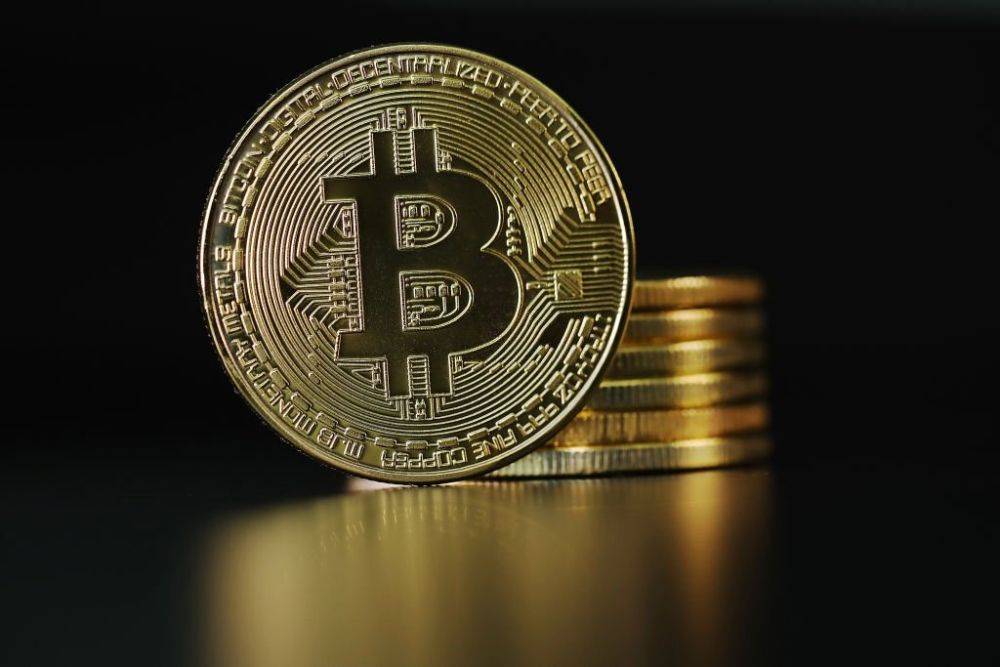
Cryptocurrency Transfers
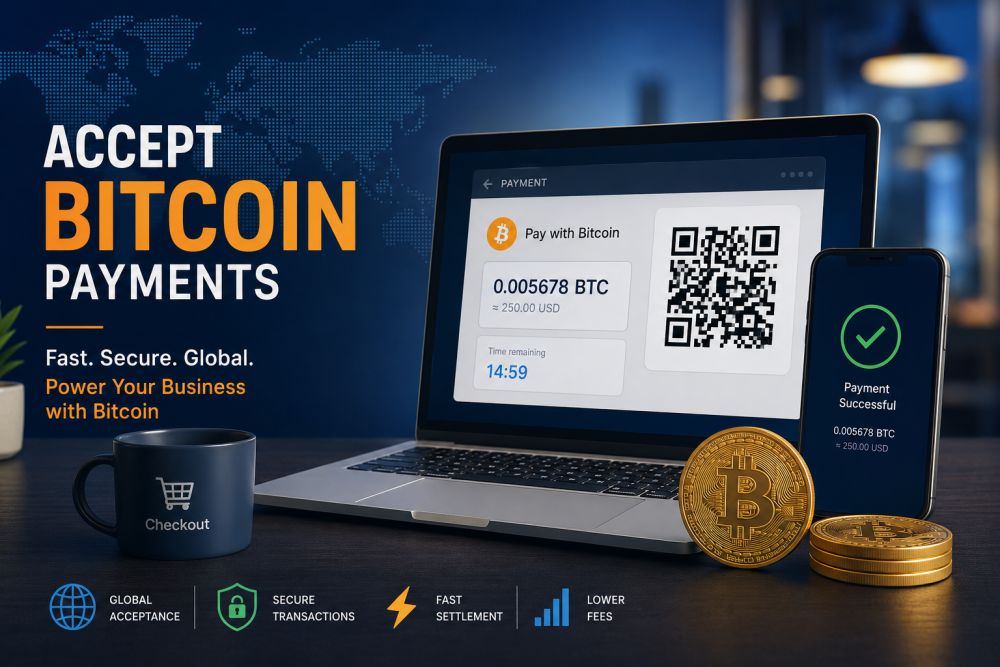
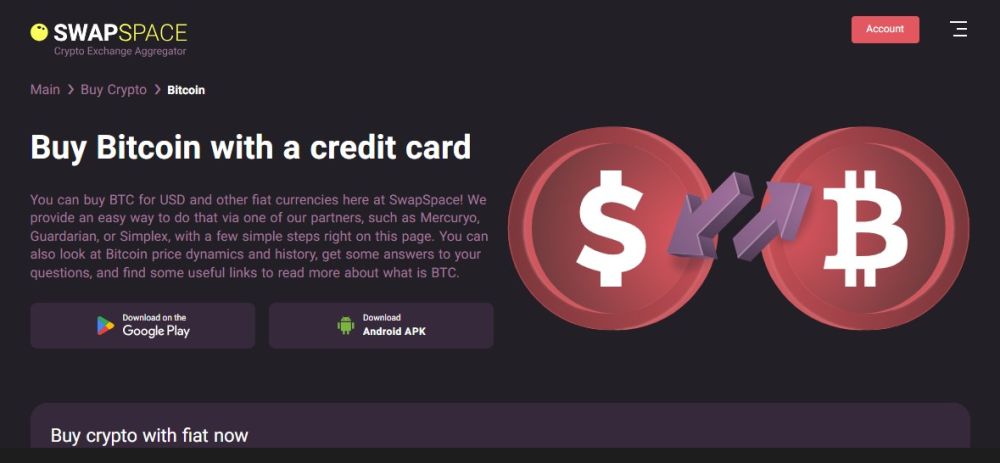
Cryptocurrencies have also become an option for international transactions. They allow users to transfer funds directly without relying on banks.
Advantages of cryptocurrency payments include:
- fast transaction speeds;
- independence from traditional banking infrastructure;
- global accessibility.
At the same time, cryptocurrency transfers require knowledge about wallets, blockchain fees, and security practices.
Specialized Currency Exchange Platforms
Because of changes in the global financial infrastructure, specialized services offering online currency exchange and international transfers have become increasingly popular.
These platforms operate through partner financial networks and local payment systems, allowing users to conduct international transfers without SWIFT.
Typically, such services provide:
- online currency exchange between different countries;
- transfers through local payment channels;
- competitive exchange rates;
- fast transaction processing.
For many users, these platforms have become a convenient alternative to traditional banking transfers.
How to Choose a Reliable Currency Exchange Service
Before using any platform for international payments, it is important to evaluate several factors.
Exchange Rates
Different services offer different currency conversion rates. Sometimes a platform advertises low fees but compensates with a less favorable exchange rate.
It is always advisable to compare the final amount that the recipient will receive.
Fees and Hidden Charges
Besides the main service fee, additional costs may include:
- intermediary bank charges;
- payment system fees;
- currency conversion fees.
Transparent pricing is one of the most important indicators of a trustworthy currency exchange service.
Transfer Speed
Depending on the platform, sending money abroad may take anywhere from a few minutes to several business days.
For regular transfers, many users prefer platforms that offer faster processing times.
Reputation and Reliability
Before using a platform, it is recommended to check:
- customer reviews;
- how long the service has been operating;
- transparency of exchange rates and conditions;
- availability of customer support.
These factors help reduce risks when conducting international payments.
Comparing International Currency Exchange Services
Today there are many platforms offering online currency exchange and cross-border payments.
Some services operate as global fintech companies, while others focus on specific regions or payment corridors.
Specialized platforms often simplify the process of sending money abroad and make international transfers faster compared to traditional bank transfers.
For example, services such as ATM24 provide solutions for currency exchange and international transfers between different countries. Platforms like these are often used when bank transfers are too slow or involve high intermediary fees.
If you are comparing available options, it may be useful to explore how modern exchange platforms work and how to send money abroad using alternative financial services.
Conclusion
The global financial infrastructure continues to evolve, and new technologies are transforming the way people send money internationally.
Banking restrictions and the growth of fintech solutions have made online currency exchange services an important part of the modern financial ecosystem.
Today users can choose between several options:
- traditional bank transfers;
- fintech payment platforms;
- cryptocurrency transactions;
- specialized currency exchange services.
Before making an international transfer, it is always recommended to compare available services, evaluate exchange rates, fees, and reliability. This approach helps ensure that money transfers remain efficient, transparent, and secure.